Venn also offers an accounting partnerships program that helps connect you with trusted accountants. If any of these sound familiar, professional accounting support is necessary. By doing so, you are instilling confidence in key players who contribute to and invest in the company’s continued success. Effective communication is crucial when it comes to accounting for small businesses and large businesses. Communicating critical information can connect the various aspects of an organization, from employees to investors.
Do You Need an Accountant or a Financial Advisor?
Many accountants look for professional development opportunities that often come at a cost. However, by applying a Surgent discount code, you have the potential to significantly cut down those expenses while expanding your knowledge base through various accounting courses. Accountants play an integral role in business, providing essential financial services in areas such as taxation, auditing, bookkeeping, and financial planning.
You’re Facing Audits or Legal Issues Related to Financials
Improving business profits can mean an increase in value for the business. An accountant will also play a major role if you sell or franchise your business. They will make sure that you are selling your business tax efficiently. Even a basic function like managing cash flow or reducing business expenses can help a business grow exponentially. An expert accountant can provide you with a financial map, which should help you decide which costs to keep and which to cut.
- Hiring a personal accountant might be beneficial for those who need someone to not only handle their books and transactions, but also keep track of bills, checkbook balances, and credit card statements.
- According to the Bureau of Labor Statistics, the median annual salary for accountants and auditors in the United States was $73,560 in 2020.
- As the owner and founder of the business, I am responsible for overseeing a range of key activities.
- All tickets are monitored and responded to within 24 hours, with an average response time of 30 minutes.
FAQ: Importance of accounting
We’re betting you they’ll have need for finance professionals somewhere. You may have heard of the usual reasons to choose a career in accountancy, which include good salaries and the fact it’s a respectable profession. We believe everyone should be able to make financial decisions with confidence. While we don’t cover every company or financial product on the market, we work hard to share a wide range of offers and objective editorial perspectives. There’s never been a tougher time for small businesses, and it’s the personal accountant accountant that they look to to ensure they can still buy, borrow, pay their staff, and function.
DEGREES

An opportunity to chart your own course, to make a significant impact in businesses and individuals’ financial health, and to establish a legacy of success and satisfaction. Accountants are often responsible for maintaining accurate financial records and ensuring taxes and other financial obligations are met. You can guide businesses in making sound financial decisions, reducing costs, and increasing profits, thus ensuring their sustainability and growth. Overcoming these challenges not only contributes to the financial health of the organization you work for, but also https://y-mail.co.uk/what-is-bookkeeping-2026-business-owner-s-guide/ provides a sense of professional fulfillment and personal growth. By providing them with accurate financial statements and forecasts, you enable them to make informed decisions about their business’s future.

Pro: Accounting Fosters the Development of Critical Thinking Skills
This transparency can help to prevent fraudulent activities, improve the company’s reputation and foster a culture of integrity within the business environment. adjusting entries By diligently auditing financial statements, identifying discrepancies, and rectifying any errors, you can contribute significantly to the financial transparency of the company. As an accountant, you have the opportunity to gain a deep understanding of the economic state of various markets and industries. Access to state-of-the-art software also gives you the opportunity to stay abreast of technological advancements and trends in the accounting field, making you a valuable asset in any organization. This not only sharpens your technical skills but also gives you an edge in the rapidly evolving finance industry. As an accountant, you get first-hand access to the latest financial software and tools.
What is Accounting and Why Do I Need It?
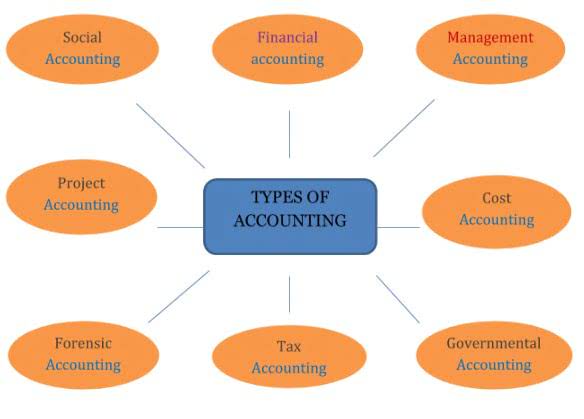
- Financial accounting focuses on accurately measuring the performance of a business.
- With your knowledge, you can help them navigate through complex tax procedures, ensuring they are compliant and avoid legal implications.
- With your skills and knowledge, you can help businesses to thrive and navigate through financial complexities, making you a highly valuable asset in the corporate world.
- There’s more information to come this tax filing season, so check back with Forbes.
- Look for an accountant with relevant experience, a strong understanding of your industry, and a proactive approach to financial management.
This not only enhances efficiency and accuracy but also allows companies to focus on core business activities while leaving financial management to specialised professionals. To sum up this section, accountancy is an essential profession that plays a crucial role in various aspects of the business world. It helps in managing finances, determining profitability, ensuring compliance with financial regulations, and making informed decisions. Accountants play a significant role in the success of businesses, organizations, and individuals.